Understanding the Role of Commercial Steel Companies
As urban landscapes evolve and construction demands increase, the role of commercial steel companies has become more critical than ever. These entities serve as the backbone of modern infrastructure, providing essential materials and services that ensure projects are completed on time and meet safety standards. A reliable commercial steel company can be the key to achieving quality results in both residential and industrial settings.
What is a Commercial Steel Company?
A commercial steel company specializes in the fabrication, installation, and supply of steel structures used in construction and manufacturing. They produce a wide array of products, including beams, columns, and frames, which are crucial components in building and infrastructure projects. These companies typically cater to various sectors, including residential, commercial, and industrial markets, and are equipped to handle projects ranging from small renovations to large-scale developments.
Key Services Offered by Commercial Steel Companies
Commercial steel companies offer a comprehensive range of services tailored to meet the diverse needs of their clients. The primary services include:
- Steel Structure Fabrication: Customizing steel components per project specifications for maximum durability.
- Metalwork: Creating intricate metal elements such as staircases, railings, and custom designs.
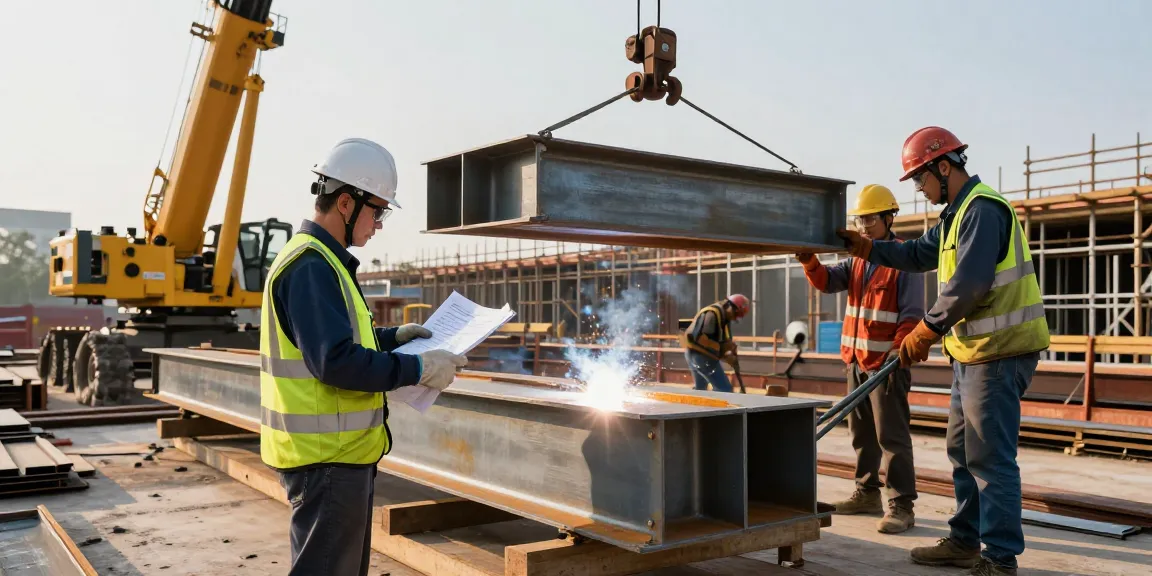
- Steel Erection: Professional installation of fabricated steel components on-site.
- Consultation Services: Providing expert advice on design, material selection, and regulatory compliance.
- Maintenance and Repair: Ensuring the longevity of steel structures through timely inspections and repairs.
Why Choosing the Right Steel Partner Matters
Selecting a reliable commercial steel partner can significantly influence the outcomes of a project. A reputable company will provide quality assurance, ensuring that materials adhere to industry standards and project specifications. Additionally, experienced teams can efficiently navigate challenges during construction, reducing the likelihood of delays and cost overruns. Ultimately, investing time in choosing the right steel company ensures a smoother construction process and higher satisfaction with the end product.
Innovative Steel Solutions for Modern Needs
The steel construction industry is constantly evolving, driven by advancements in technology and changing consumer demands. To remain competitive, commercial steel companies are adopting innovative approaches to their practices.
Latest Trends in Steel Fabrication Techniques
Recent advancements in steel fabrication have transformed traditional methods, leading to improved efficiency and effectiveness. Companies now utilize:
- Robotic Welding: Enhancing precision and speed during the welding process.
- 3D Printing: Allowing for rapid prototyping and complex designs not achievable through standard methods.
- Advanced CAD Software: Streamlining design and planning processes to minimize errors during fabrication.
- Smart Manufacturing: Integrating IoT devices to monitor processes and optimize operations in real-time.
Customized Steel Structures for Diverse Applications
The demand for custom steel structures has risen as architects and developers seek unique designs that meet functional and aesthetic requirements. Commercial steel companies offer tailored solutions, such as:
- Modular Steel Buildings: Quick to assemble and adaptable for various uses.
- Artistic Metal Fabrication: Creating bespoke pieces that enhance building aesthetics.
- Prefabricated Components: Reducing on-site construction time and labor costs.
Eco-Friendly Practices in Steel Manufacturing
As sustainability becomes a central focus across industries, commercial steel companies are adopting eco-friendly practices. These include:
- Recycling Steel: Utilizing recycled materials in new constructions to minimize waste.
- Energy-Efficient Production: Implementing processes that reduce energy consumption during fabrication.
- Sustainable Sourcing: Prioritizing suppliers who use environmentally responsible methods.
Meeting the Challenges in Steel Construction
The steel construction industry is not without its challenges. Commercial steel companies must navigate various obstacles to deliver high-quality products and services.
Common Challenges Faced by Commercial Steel Companies
Some of the prevalent challenges include:
- Material Fluctuations: The cost and availability of steel can vary significantly, impacting project budgets.
- Regulatory Compliance: Keeping up with changing construction codes and standards can be complex.
- Labor Shortages: The industry often faces a shortage of skilled labor, affecting project timelines and quality.
- Project Management: Coordinating multiple teams and timelines can complicate execution.
Best Practices for Overcoming Steel Industry Obstacles
Successfully addressing these challenges requires strategic planning and execution. Best practices include:
- Investing in Training: Fostering a skilled workforce through continuous training and development programs.
- Utilizing Technology: Leveraging project management tools to improve coordination and efficiency.
- Building Strong Relationships: Maintaining good relationships with suppliers and subcontractors to ensure material availability and reliability.
Case Studies of Successful Projects and Learnings
Learning from past projects can provide valuable insights for future endeavors. Successful commercial steel companies analyze completed projects to identify areas of improvement and successful strategies. For example, a recent case study on a high-rise building project in downtown Vancouver showcased how effective communication and a robust project management framework enabled the timely completion of complex steelwork, ultimately leading to client satisfaction and repeat business.
Evaluating Performance Metrics for Steel Projects
To ensure continuous improvement and high-quality output, commercial steel companies must evaluate their performance rigorously.
Key Performance Indicators (KPIs) for Steel Fabrication
KPIs play a vital role in measuring the success of steel fabrication processes. Common indicators include:
- On-Time Delivery Rates: Tracking the percentage of projects completed on schedule.
- Quality Assurance Scores: Analyzing the number of defects and rework rates to assess product quality.
- Customer Satisfaction Scores: Gathering feedback to evaluate client satisfaction and identifying areas for improvement.
Measuring Success in Custom Steel Solutions
Measuring the success of custom steel applications involves looking at project outcomes against initial objectives, typically focusing on client expectations, budget adherence, and overall project impact. Client testimonials can provide qualitative insights into the effectiveness of solutions delivered by commercial steel companies.
Feedback Mechanisms for Continuous Improvement
Implementing feedback mechanisms is crucial for ongoing development within steel companies. Regular surveys, project debriefs, and client meetings can uncover valuable insights into performance, guiding improvements in future projects.
Looking Ahead: The Future of Commercial Steel Companies
As the construction landscape continues to change, so too will the operations of commercial steel companies. Embracing innovation and staying ahead of trends will be essential for long-term success.
Emerging Technologies in Steel Construction by 2026
Future developments are set to revolutionize the industry. Expected technologies include:
- Artificial Intelligence: Using AI for predictive analytics in project management and resource allocation.
- Augmented Reality: Enhancing design visualization and project planning through immersive experiences.
- Advanced Materials: Exploring lightweight, high-strength materials that improve energy efficiency in buildings.
Predicted Industry Trends and Their Impact
Trends such as sustainable building practices, off-site construction, and the increasing demand for smart buildings will shape the future of commercial steel companies. Adapting to these trends will be crucial for remaining relevant in a competitive market.
How Businesses Can Prepare for Future Steel Projects
As the industry evolves, businesses can prepare by investing in workforce training, adopting new technologies, and fostering partnerships within the supply chain. These steps will ensure they remain at the forefront of the steel construction sector, ready to meet future demands effectively.