
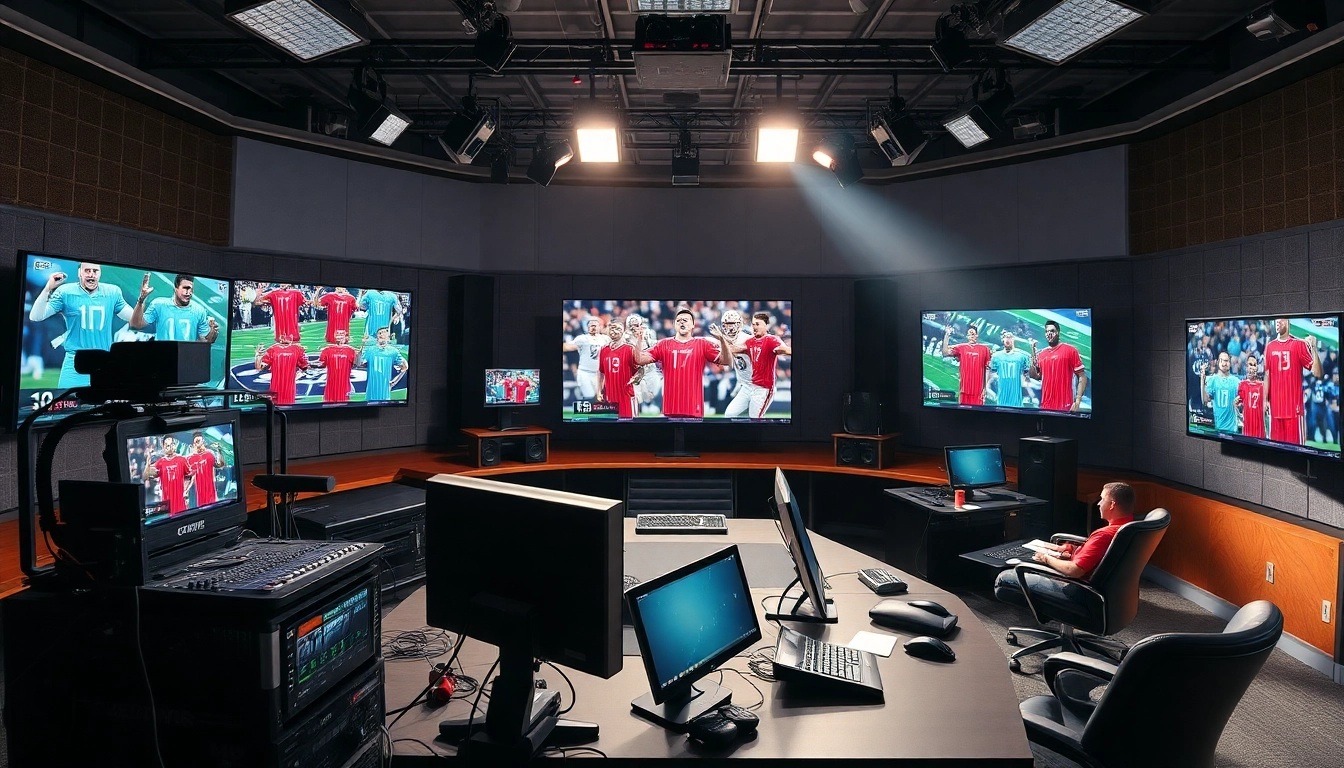
Understanding Sports Broadcasting
What Is Sports Broadcasting?
Sports broadcasting refers to the distribution of live, pre-recorded, and delayed content related to athletic events through various platforms such as television, radio, and online streaming. The primary goal is to deliver sports content to the audience, allowing fans to experience live events or catch up on highlights. It encompasses a range of activities, from coverage of individual games to dedicated sports channels, that focus on a wide variety of sports disciplines.
With the growing popularity of sports, the demand for quality content accessible across platforms has surged. Sports Broadcasting has shifted from traditional methods to innovative approaches that appeal to the evolving preferences of viewers.
History and Evolution of Sports Broadcasting
The origins of sports broadcasting can be traced back to the early 1920s with radio broadcasts that carried local sporting events. This period marked the beginning of a profound change in how fans engaged with their favorite sports, providing real-time updates and commentary that was previously unavailable. As technology advanced, television emerged as the dominant medium in the mid-20th century, revolutionizing sports viewership by delivering visual content and detailed event coverage.
Significant milestones include the first televised baseball game in 1939 and the introduction of color broadcasts in the 1960s, making sports more engaging. The rise of cable networks in the 1980s further expanded sports broadcasting by introducing dedicated channels, leading to a boom in national leagues and the global expansion of sports. Today, the advent of the internet and mobile technology has transformed sports broadcasting, encouraging platforms like YouTube and social media to become increasingly important for fans seeking immediate access and interaction.
Current Trends in Sports Broadcasting
Today, sports broadcasting is experiencing a dynamic transformation driven by several emerging trends:
- Streaming Services: The shift towards online streaming continues to grow, with more sports networks offering direct-to-consumer services and apps, eliminating the need for cable subscriptions.
- Esports Rise: The booming popularity of esports has led traditional broadcasters to include competitive gaming content in their programming, catering to a younger audience.
- Personalization: Advanced data analytics allows broadcasters to offer personalized viewing experiences, such as customizable camera angles and commentator choices, enhancing audience engagement.
- Social Media Integration: Many broadcasts now incorporate real-time social media content, allowing fans to engage directly during events and share their experiences online.
Key Components of Sports Broadcasting
Cameras and Equipment in Sports Broadcasting
The backbone of quality sports broadcasting is advanced camera technology and broadcasting equipment. High-definition cameras, drones, and 360-degree cameras are crucial for capturing multiple angles and immersive experiences of live events. Specialized gear, such as ultra-slow-motion cameras, provides detailed views of critical moments, while dedicated audio equipment enhances commentary clarity and crowd noise, contributing to the overall production quality.
Advanced software enables post-production enhancement, allowing highlights and statistics to be seamlessly integrated into the broadcast. Furthermore, the use of mobile cameras and steadicam technology ensures that every moment is covered, no matter where it happens on the field or arena.
Role of Commentators in Sports Broadcasting
Commentators play a vital role in sports broadcasting, serving as the voices that guide viewers through the events. Their responsibilities include providing play-by-play commentary, analyzing game strategies, and sharing insights about player performances. Effective commentators engage audiences through lively discussions, storytelling, and humor, creating a more immersive experience.
Modern broadcasting teams often include color commentators, who provide expert analysis, alongside play-by-play announcers. This duo works together to enhance viewer understanding and enjoyment, often incorporating fan interactions and real-time statistics into their narratives.
Production Teams Behind Sports Broadcasting
Behind every successful sports broadcast is a dedicated production team that ensures everything runs smoothly. This team includes producers, directors, technical staff, and crew members who work cohesively to deliver top-notch content. Producers oversee every aspect of the broadcast, from pre-event planning to post-event analysis, ensuring all elements are prepared and synchronized.
Technical staff maintain equipment, set up remote locations, and manage live feeds to guarantee high-quality transmission. Each member plays a critical role, contributing to the precise timing and innovation required to wow viewers. The collaborative effort among these professionals is essential for creating a seamless viewing experience.
Technological Advances Impacting Sports Broadcasting
Live Streaming Innovations in Sports Broadcasting
Live streaming has transformed the landscape of sports broadcasting, allowing fans to watch events in real time on various devices, including smartphones and tablets. With internet accessibility improving globally, broadcasters have expanded their reach, positioning themselves to capture new demographics. Innovations like low-latency streaming and multiple viewing options enhance this experience, enabling fans to stay connected to their favorite sports from anywhere in the world.
Furthermore, partnerships with technology providers have led to increased sophistication in broadcasting capabilities, such as adopting artificial intelligence for data analysis and enhancing user experience.
Virtual and Augmented Reality in Sports Broadcasting
Virtual Reality (VR) and Augmented Reality (AR) are redefining how fans interact with sports content. AR adds an overlay of graphics and data in real-time, enriching the viewing experience with statistics and player information. Some networks have started using VR to create immersive environments, allowing fans to virtually attend games or practice sessions, further bridging the gap between fans and the action.
These advancements not only attract attention but also create opportunities for advertisers to present tailored advertisements that resonate with targeted demographics based on real-time statistics.
Data Analytics in Sports Broadcasting
The use of data analytics in sports broadcasting enhances viewer engagement through real-time statistics and insights. Broadcasters analyze vast amounts of data to deliver compelling narratives and contextual information during live events. Fans increasingly expect data-driven content, requiring broadcasters to leverage advanced technologies to provide accurate and timely updates.
Analytics also inform broadcasting decisions by highlighting pivotal moments in games, player performance metrics, and trends over the season, enriching commentary and enhancing fan understanding of the dynamics at play.
Enhancing Audience Engagement in Sports Broadcasting
Interactive Features in Sports Broadcasting
Interactive features are becoming increasingly prevalent in sports broadcasting, with networks offering viewers the ability to engage with content in real time. Polls, quizzes, and live interaction platforms allow fans to express their opinions during broadcasts, making them feel involved in the action. Enhanced user interfaces feature chat functions and social media integration, encouraging fans to connect and share their thoughts, fostering a sense of community around their favorite sports.
This goal-generation approach helps broadcasters maintain viewer interest by creating a two-way communication channel that enhances overall engagement and satisfaction.
Social Media’s Role in Sports Broadcasting
Social media has transformed sports broadcasting by providing platforms for live updates, highlights, and fan interactions. Broadcasters use Twitter, Facebook, TikTok, and Instagram to share behind-the-scenes content, snippets of live events, and key moments in sports history, increasing the reach of their brand and engagement levels with fans.
Additionally, social media platforms enable real-time interaction, allowing fans to connect with analysts, players, and commentators, creating a more personalized viewing experience. As a result, collaborations between broadcasters and social media platforms have become essential to driving viewership and engagement.
Fan Involvement in Sports Broadcasting
Involving fans in sports broadcasting has become a priority for networks looking to strengthen engagement. Initiatives such as fan voting for player of the week or special features during broadcasts that highlight user-generated content facilitate this objective. These strategies capitalize on fan enthusiasm, encouraging them to shape the coverage and discussion surrounding their favorite sports and teams.
Innovative broadcasts now include segments where fans can submit questions to commentators, increasing their sense of participation and inclusion in the conversation surrounding live sports.
Challenges and Future of Sports Broadcasting
Regulatory and Licensing Issues in Sports Broadcasting
Regulatory challenges are a significant concern for sports broadcasters. Licensing agreements dictate how content can be distributed, the timeframes for broadcasting, and the geographic restrictions imposed. Compliance with regional and national regulations can be complex, requiring broadcasters to stay informed about changes that affect their operations.
In the digital age, piracy and unauthorized streaming present additional enforcement challenges, prompting broadcasters to develop robust measures to protect their intellectual property and ensure compliance with licensing agreements.
Monetization Strategies for Sports Broadcasting
Developing effective monetization strategies is essential for the sustainability of sports broadcasting. Traditional methods such as television advertising remain significant, but newer strategies include subscription-based models for streaming services, pay-per-view events, and merchandise partnerships. The integration of targeted advertising into streaming platforms also provides revenue opportunities, allowing sponsors to connect directly with their audience.
Furthermore, broadcasters must adapt to changing consumer preferences, such as offering tiered pricing for different levels of access and creating exclusive content that promotes viewer retention and loyalty.
The Future Landscape of Sports Broadcasting
The landscape of sports broadcasting is set to evolve continuously with technological advancements and shifting consumer behaviors. The growing prevalence of immersive experiences through VR and AR, along with the incorporation of data analytics and interactive features, will further redefine how fans engage with sports content.
Future broadcasters will likely focus on personalization, catering content to individual viewer preferences while leveraging social media for fan engagement. As new platforms emerge and audience expectations evolve, the success of sports broadcasting will hinge on its ability to adapt, innovate, and foster deeper connections with viewers.
FAQs
1. What is the difference between sports broadcasting and sports streaming?
Sports broadcasting typically refers to traditional media outlets like TV and radio, while sports streaming focuses on delivering content over the internet through platforms like apps and websites, allowing for on-demand access.
2. How do commentators prepare for a sports broadcast?
Commentators prepare by researching teams, players, and statistics, monitoring pre-game conditions, and practicing their delivery style to ensure they provide informative and engaging commentary during the event.
3. What technology is used in live sports broadcasting?
Live sports broadcasting utilizes high-definition cameras, drones, audio equipment, and advanced software for editing and enhancing broadcasts, ensuring high-quality viewing experiences.
4. Why is audience engagement important in sports broadcasting?
Audience engagement is crucial as it increases viewership, generates brand loyalty, and fosters a sense of community among fans, ultimately enhancing the broadcast experience and driving revenue.
5. What challenges do sports broadcasters face with regulation?
Sports broadcasters face challenges with licensing agreements, compliance with national and regional regulations, and combating piracy, all of which require careful management to ensure legal and financial viability.