
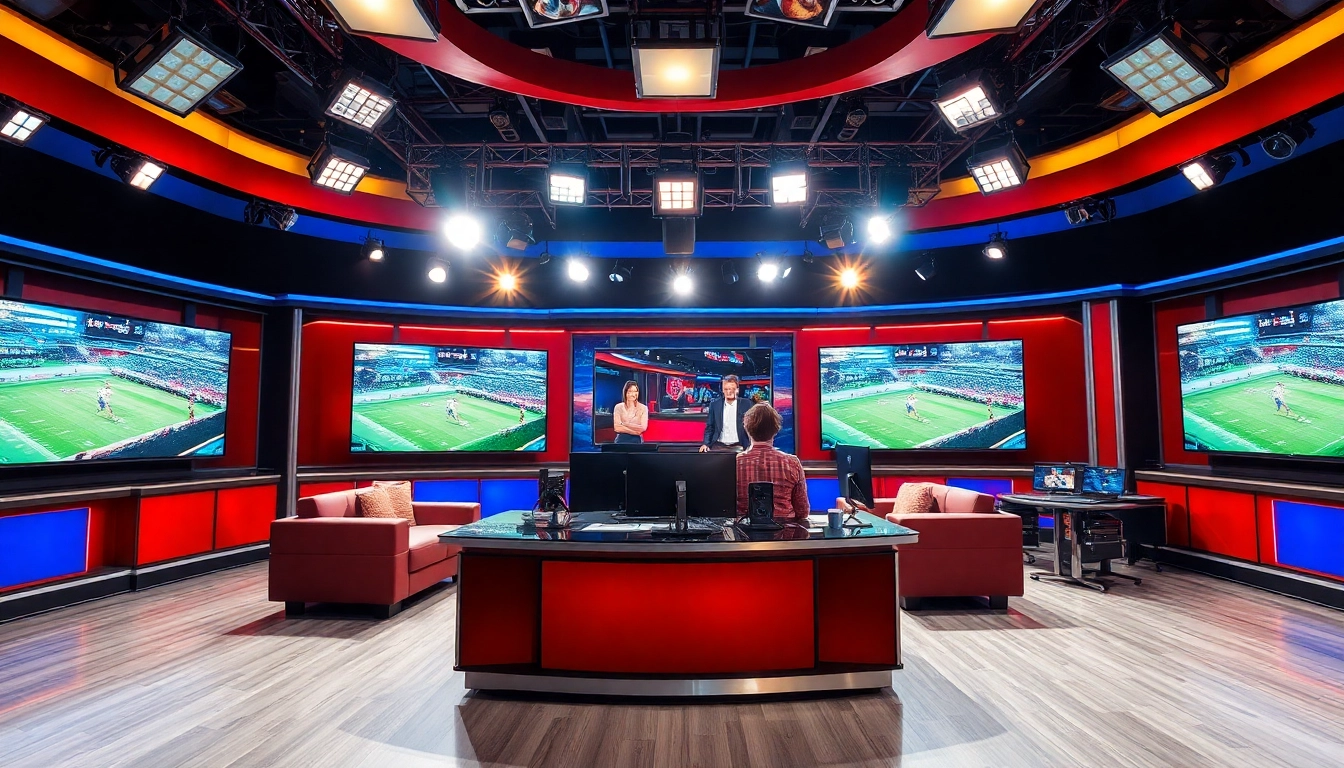
Understanding the Basics of Sports Broadcasting
Sports Broadcasting is a significant segment of the media industry, encompassing the live coverage and commentary of sporting events through various platforms such as television, radio, and online streaming. It serves not just to inform but also to entertain millions of fans worldwide, creating a dynamic intersection of sports and media. The evolution of Sports Broadcasting has shaped how audiences engage with their favorite teams and athletes.
Definition and Role of Sports Broadcasting
At its core, sports broadcasting involves the distribution of audio and visual content related to sports events. This can include live play-by-play commentary, analysis, pre and post-game shows, and even highlight reels. The primary role of sports broadcasting is to provide real-time coverage that allows fans to experience the excitement of sporting events as they unfold. Additionally, it plays an essential role in building the narratives surrounding sports, highlighting athletes' stories, historic moments, and providing context to the games being played.
Key Components of Sports Broadcasting
There are several components that underline the efficacy of sports broadcasting:
- Production: Involves the technical aspects of capturing and producing the broadcast, including camera work, sound engineering, and graphics.
- Commentary: Provides a narrative framework that enhances the viewing experience. Commentators must deliver information concisely and passionately.
- Analysis: Experts analyze gameplay strategies, player statistics, and team dynamics, enriching the audience’s understanding of the game.
- Audience Interaction: Engaging the audience through social media, audience polls, and viewer questions adds a layer of interactivity to the broadcast.
The Evolution of Sports Broadcasting
The transformation of sports broadcasting is profound, dating back to when radio first brought live sporting events into homes in the early 1900s. The subsequent introduction of television added a visual dimension, significantly increasing the audience base. Recently, the rise of digital platforms and streaming services has drastically altered viewer behavior and engagement. This evolution not only reflects technological advancements but also shifts in consumer preferences and viewing habits, making sports broadcasting more accessible than ever before.
Essential Skills for Successful Sports Broadcasting
Communication and Presentation Skills
Effective communication is fundamental in sports broadcasting. Broadcasters must articulate clearly, convey enthusiasm, and maintain a steady pace to keep the audience engaged. Presentation skills, including body language, vocal delivery, and eye contact (for on-camera roles), significantly influence viewer perception. A broadcaster must also adapt their communication style to fit the audience's demographic, whether it be a casual viewer or a die-hard fan.
Technical Knowledge in Broadcasting
Understanding the technical side of broadcasting is crucial for any sports broadcaster. This includes familiarity with broadcasting equipment, software for live streaming, and the online protocols for producing digital content. A solid grasp of camera angles, sound mixing, and video editing enhances the overall quality of the broadcast, enabling storytellers to capture the drama of live sports effectively.
Developing a Unique Style
In a saturated market, developing a unique on-air persona can set a broadcaster apart. This style should resonate with one’s authentic self while also appealing to the target audience. Whether it's through humorous commentary, insightful analysis, or engaging storytelling, a unique style fosters viewer loyalty and recognition in the crowded space of sports broadcasting.
Strategies to Enhance Sports Broadcasting Content
Audience Engagement Techniques
Engaging audiences is vital for successful sports broadcasting. Techniques can include incorporating live audience questions, real-time social media interaction, and fan polls during broadcasts. By inviting feedback and interaction, broadcasters can create a community around their content, ultimately enhancing viewer retention and satisfaction.
Utilizing Social Media in Sports Broadcasting
Social media platforms present unprecedented opportunities for enhancing sports broadcasting. Broadcasters can share highlights, conduct live chats, and provide behind-the-scenes content that enriches the overall fan experience. By leveraging platforms like Twitter, Instagram, and Facebook, broadcasters can reach fans beyond the live event, keeping their content alive in the public discourse.
Innovative Storytelling Methods
Innovative storytelling showcases the emotional narratives within sports. This can involve focusing on a player’s journey, the historical significance of a match, or the cultural context surrounding an event. Techniques such as visual storytelling, using animations, or video montages enhance viewer immersion. These compelling stories resonate with audiences and promote deeper emotional connections to the sport events being covered.
Challenges Facing the Sports Broadcasting Industry
Adapting to Technological Changes
As technology continues to evolve, sports broadcasters face the challenge of keeping up with new platforms, formats, and audience expectations. The shift towards streaming services has necessitated adjustments in production styles and content delivery methods. Broadcasters must stay informed and adapt swiftly to remain relevant in a fast-paced digital environment.
Managing Viewer Expectations
Today's audiences are more informed and have heightened expectations regarding the quality and accessibility of sports content. Broadcasters must deliver high-definition streams, expert commentary, and real-time statistics to keep pace. Addressing viewer feedback and continually refining content quality is essential to maintain audience satisfaction and loyalty.
Navigating Legal and Ethical Issues
With sports broadcasting comes the responsibility to navigate legal and ethical landscapes, including broadcasting rights, player privacy, and data protection. Ensuring compliance with regulations and upholding ethical standards is crucial for protecting both the broadcaster and the audience, while also fostering a culture of fairness and respect in coverage.
Future Trends in Sports Broadcasting
The Impact of Streaming Services
The emergence of streaming services has forced traditional broadcasters to rethink their strategies. With sports easily accessible on platforms like Netflix, Hulu, and various sports-specific apps, broadcasters must innovate not just in content delivery but also in engaging younger audiences who prefer on-demand viewing. Collaborating with streaming platforms will likely shape future broadcasting dynamics.
Bringing Augmented Reality into Broadcasting
Augmented Reality (AR) is poised to revolutionize sports broadcasting by providing viewers with interactive experiences. Through AR, fans can access enhanced statistics, player profiles, and real-time analysis overlaid on live feeds, creating an enriched viewing environment that fosters deeper engagement and understanding of the game.
Wireless Technology and Its Influence
Wireless technology significantly influences how sports broadcasts are produced and consumed. With advancements in mobile connectivity, broadcasters can offer live coverage from virtually anywhere. This flexibility enables behind-the-scenes insights and interactive viewer experiences that were previously unattainable, further personalizing the broadcast experience.
FAQs About Sports Broadcasting
What is sports broadcasting?
Sports broadcasting refers to the transmission of sports events and related content through various media platforms, including television, radio, and online streaming services.
What skills do I need for a career in sports broadcasting?
Essential skills include strong communication, technical knowledge of broadcasting equipment, and the ability to develop a unique presentation style that resonates with audiences.
How can social media be utilized in sports broadcasting?
Social media can enhance engagement by allowing real-time interactions, sharing highlights, and providing behind-the-scenes content, thus fostering community among fans.
What are some challenges in sports broadcasting?
Challenges include adapting to rapidly changing technologies, managing viewer expectations, and navigating legal and ethical issues in coverage.
What trends are shaping the future of sports broadcasting?
Key trends include the increasing reliance on streaming services, the integration of augmented reality, and advancements in wireless technology, enhancing viewer experiences.