
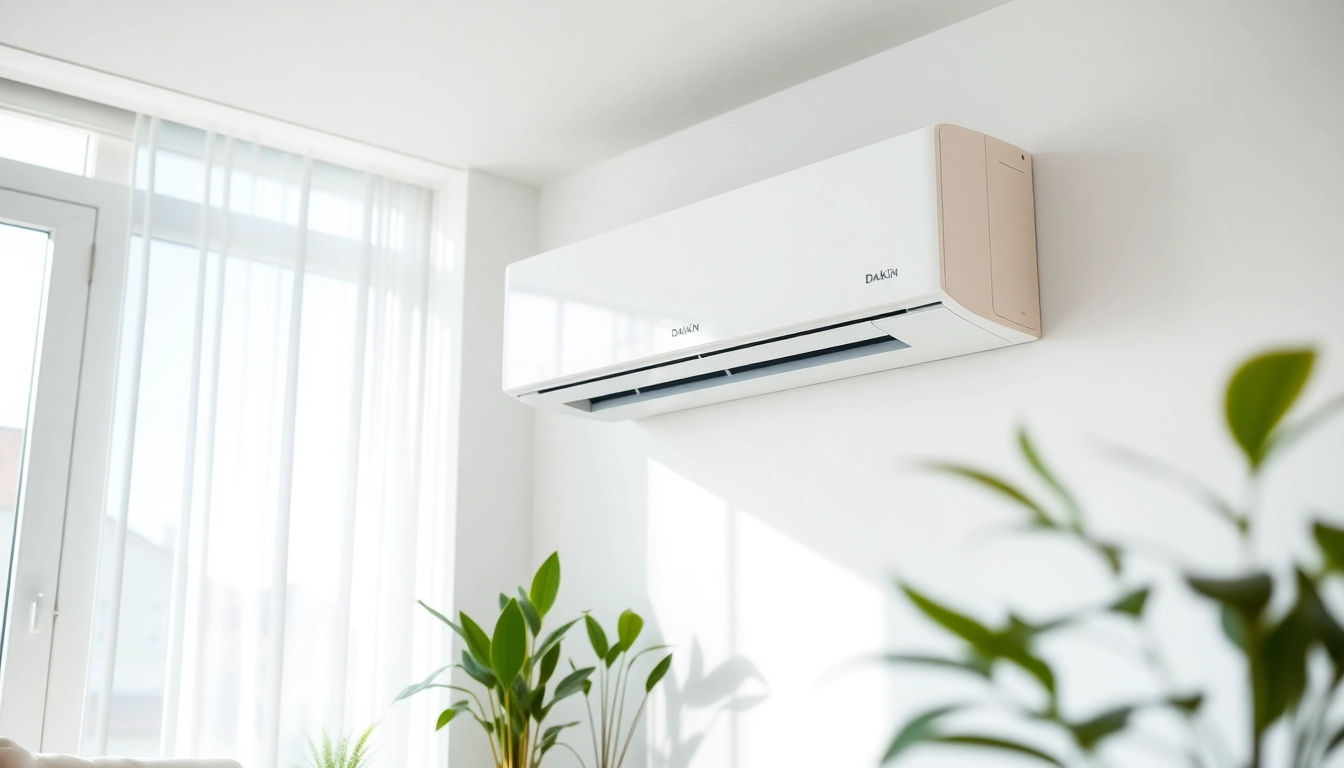
Introduction to Daikin Mini Split AC
In today’s fast-paced world, maintaining a comfortable indoor environment is essential, particularly during hot summer months. Among various cooling systems available, the daikin mini split ac has emerged as a popular choice for homeowners seeking efficiency and flexibility. This article delves into the specifics of Daikin mini split AC systems, their unique advantages, and insights on making the right choice for your home cooling needs.
What is a Daikin Mini Split AC?
A Daikin mini split AC is a type of ductless air conditioning system that consists of two main components: an outside unit and one or more indoor units. This design allows for individual room temperature control, making it a flexible and efficient option for various spaces. Mini split systems are particularly advantageous for homes without pre-existing ductwork, providing an alternative to traditional central air conditioning systems.
Benefits of Using Daikin Mini Split AC
One of the standout features of Daikin mini split AC systems is their efficiency. These units often boast high Seasonal Energy Efficiency Ratios (SEER), which translates to lower energy bills and reduced environmental impact. Furthermore, their ductless design minimizes energy losses associated with ducted systems, making Daikin mini splits a cost-effective option for many homeowners.
In addition to efficiency, mini split systems offer enhanced comfort. Each indoor unit can be independently controlled, allowing for personalized climate settings based on individual preferences. This level of control is especially beneficial in larger households with varying cooling needs.
How Daikin Mini Split AC Works
Daikin mini splits operate using a heat pump technology that transfers heat instead of creating it. In cooling mode, the system absorbs indoor heat and transfers it outside. Conversely, during the heating season, it captures outdoor warmth (even in low temperatures) and distributes it indoors. This dual function not only makes them versatile but also reduces dependency on separate heating appliances.
Choosing the Right Daikin Mini Split AC for Your Home
Factors to Consider Before Purchase
When selecting a Daikin mini split AC, various factors must be taken into account. The size of the space requires thorough consideration; under-sizing could result in inadequate cooling, while over-sizing can lead to increased energy consumption and higher costs. A qualified professional can help determine the appropriate size based on factors like room dimensions, insulation quality, and layout.
Budget is another crucial factor. Daikin offers a range of models at varying price points, so it’s vital to find a balance between your needs and financial constraints without compromising efficiency and reliability. Also, consider any additional features, such as smart home integrations or advanced filtration systems, that might enhance your experience.
Comparing Features of Different Models
Daikin’s diverse lineup includes various models, each equipped with unique features tailored to different home cooling needs. Some models may offer enhanced filtration options for allergy sufferers, while others may include advanced climate control technologies, such as Wi-Fi connectivity for remote access and operation. Reviewing specifications and comparing reviews from current users can provide insight into which model aligns best with your personal requirements.
Understanding Energy Efficiency Ratings
Energy efficiency ratings are critical components to look for when evaluating a Daikin mini split AC. The Seasonal Energy Efficiency Ratio (SEER) indicates the unit’s cooling efficiency over an entire cooling season. The higher the SEER, the more efficient the system. Additionally, the Energy Efficiency Ratio (EER) can measure performance under specific conditions. Understanding these ratings can guide you toward an investment that balances upfront costs with long-term savings on utility bills.
Installation Process for Daikin Mini Split AC
Steps to Install Daikin Mini Split AC
Installing a Daikin mini split AC involves several stages. The first step is determining optimal locations for both indoor and outdoor units. The indoor unit should be placed in areas where airflow is unobstructed, while the outdoor unit should have sufficient space around it for airflow and maintenance access.
Next, professionals will install a mounting bracket for the indoor unit and drill a hole through the wall for connecting refrigerant lines. After the lines are connected, the outdoor unit is placed on a stable surface and connected to electrical and drainage setups. Finally, the system is tested for functionality to ensure proper operation and to identify any potential issues.
Common Installation Challenges
Installation may present challenges, especially in intricate home environments. Factors such as limited wall access, roof height, and regulatory compliance can complicate the process. Additionally, improper installation can lead to costly repairs and reduced system efficiency. Therefore, it is essential to evaluate these potential obstacles in advance and consult professionals who possess the requisite skills and tools to address them.
When to Hire a Professional Installer
Although some homeowners consider DIY installation, hiring a professional is highly advisable for Daikin mini split AC systems. Professionals not only possess expertise but also ensure compliance with local building codes and safety standards. Their experience can prevent mistakes that inexperienced individuals may not recognize, ultimately saving you time, stress, and money down the line.
Maintenance of Your Daikin Mini Split AC
Routine Maintenance Tips
To ensure optimal performance and longevity of your Daikin mini split AC, regular maintenance is necessary. Basic tasks include cleaning or replacing filters monthly, inspecting coils, and verifying that the outdoor unit is clear of debris. Professional servicing at least once a year can uncover issues not visible to the untrained eye.
Cleaning the outdoor unit’s coils regularly is particularly important, as it directly influences the efficiency of the system. It’s also vital to check the refrigerant levels to ensure proper function. Low levels can indicate a leak, which requires immediate attention from a professional technician.
Signs Your Daikin Mini Split AC Needs Repair
Being attuned to signs of trouble can prolong the life of your Daikin mini split AC. Unusual noises, inconsistent temperatures, or a noticeable increase in energy bills can indicate underlying issues. Additionally, if the unit frequently cycles on and off, this may point to problems related to internal components or incorrect installation.
Whenever you observe such signs, it is prudent to consult a professional. Early intervention can work wonders, often preventing more extensive repairs or system replacements that result from neglect.
How to Extend the Lifespan of Your Unit
Extending the life of your Daikin mini split AC requires a combination of proper care and informed usage. Along with routine maintenance, using the system judiciously can prevent undue stress on its components. Setting the thermostat to moderate temperatures and avoiding abrupt changes can help maintain a steady operational load.
Moreover, investing in high-quality air filters can improve indoor air quality and reduce workload on the system, ultimately enhancing performance. Finally, consider seasonal preparations, such as ensuring the outdoor unit is insulated during winter months, which can prevent long-term damage from weather elements.
Frequently Asked Questions about Daikin Mini Split AC
What is the lifespan of a Daikin mini split AC?
The average lifespan of a Daikin mini split AC is around 15 to 20 years, provided it receives proper maintenance and care throughout its operational life.
Can I install a Daikin mini split AC myself?
While some aspects of the installation process can be DIY, it is highly recommended to hire a professional installer to ensure efficiency, safety, and compliance with local regulations.
What is the cost to run a Daikin mini split AC?
The running cost of a Daikin mini split AC varies based on usage, energy efficiency ratings, and electricity rates; on average, expect to spend $50 to $150 monthly during peak summer months.
How do I clean my Daikin mini split AC?
Cleaning involves removing dust from the air filters, wiping down the indoor unit, and ensuring that the outdoor unit is free from debris. It’s advisable to conduct a thorough clean every few months.
Are Daikin mini split AC systems noisy?
Daikin mini split AC systems are generally designed to operate quietly. Indoor units typically produce sound levels as low as 19 dB, significantly minimizing noise disruption in living spaces.