
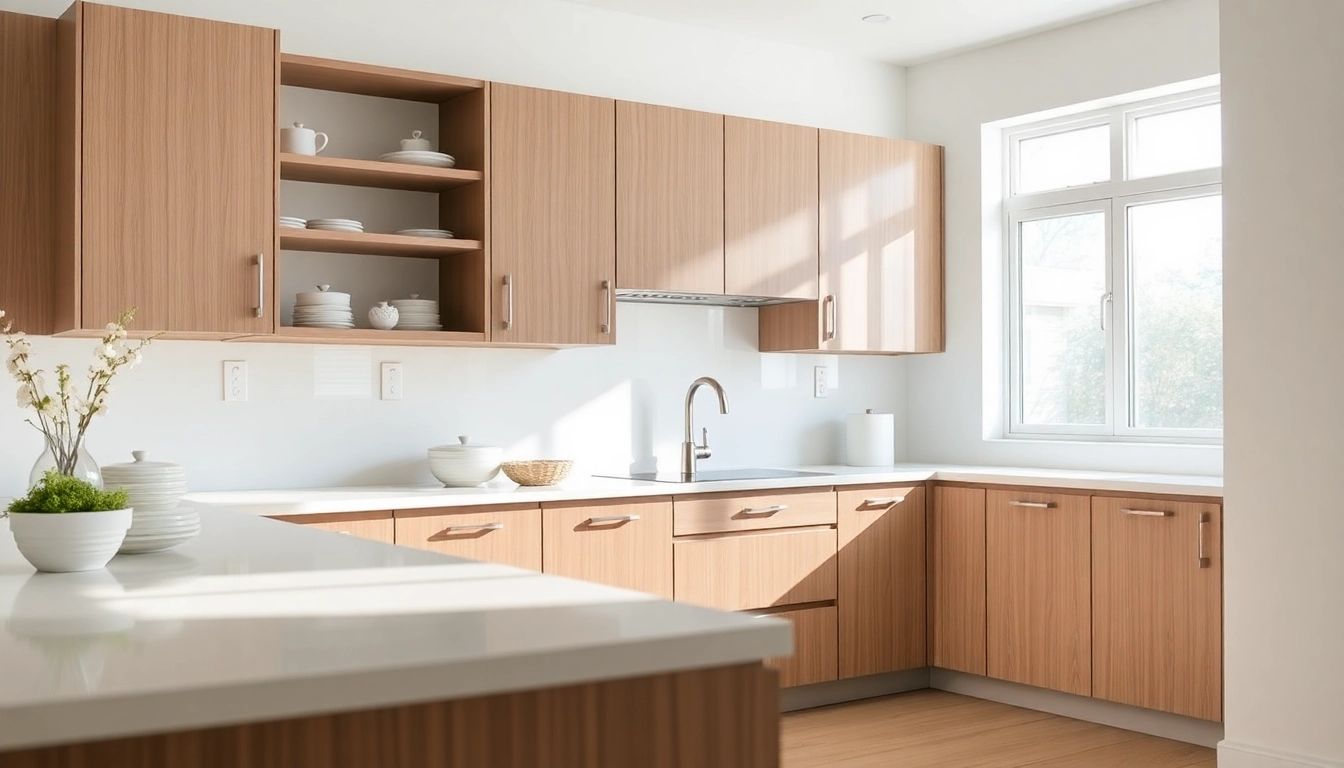
Understanding Cabinet Refacing Saint Petersburg FL
When it comes to transforming your kitchen or bathroom, few projects can have as significant an impact as cabinet refacing. By focusing on cabinet surfaces, cabinet refacing can provide a renewed look without the expense and hassle of a full remodel. Homeowners in Saint Petersburg, FL, are increasingly embracing this cost-effective solution to breathe new life into their spaces. In this article, we will delve into the nuances of Cabinet Refacing Saint Petersburg FL, exploring its definition, benefits, materials, and the steps necessary for a successful project.
What is Cabinet Refacing?
Cabinet refacing is the process of replacing the external components of cabinets without altering the structural framework. It involves applying a new veneer, replacing doors and drawer fronts, adding new hardware, and sometimes changing the finish to create an entirely refreshed aesthetic. Unlike cabinet replacement, refacing focuses on cosmetic upgrades, preserving the existing cabinet boxes while providing a modern look.
Benefits of Cabinet Refacing
One of the most attractive aspects of cabinet refacing is its multitude of benefits:
- Cost-Effective: Refacing is significantly cheaper than full cabinet replacement, making it accessible for many homeowners.
- Time-Saving: Projects typically take less time—often completed in a few days—compared to a full remodel that may span weeks.
- Less Mess: With less demolition involved, cabinet refacing generates less dust and debris.
- Eco-Friendly: Refacing utilizes existing structures, reducing waste and the environmental impact of new cabinetry.
- Improved Aesthetic: A fresh look can modernize your space, enhancing both functionality and visual appeal.
Key Considerations Before Refacing
Before diving into a cabinet refacing project, several factors should be taken into account:
- Condition of Existing Cabinets: Ensure the current cabinets are structurally sound. Warping, water damage, or mold can complicate the project.
- Budgeting: Determine how much you want to invest in the refacing process to explore suitable material options and upgrades.
- Design Preferences: Have a vision for your new space? Explore different styles and colors to find what resonates with you.
- Professional Help: Consider hiring a professional for intricate designs or if you lack the necessary skills for a DIY project.
Choosing the Right Materials for Cabinet Refacing
Types of Wood and Finishes
The choice of materials plays a pivotal role in the visual impact and durability of your refaced cabinets. Here’s a look at some common wood types and finishes:
- Hardwoods: Maple, oak, cherry, and walnut are excellent choices for longevity and aesthetics.
- The Use of Laminates: For a budget-friendly and versatile option, laminates are available in various colors and designs.
- Finishes: Varnishes, stains, and paints can dramatically alter the look. A glossy finish adds a modern touch, while a matte finish can create warmth.
Eco-Friendly Options
With growing awareness surrounding sustainability, eco-friendly materials are increasingly popular. Reclaimed wood and low-VOC (volatile organic compounds) finishes are fantastic choices for environmentally conscious homeowners. These materials not only reduce ecological impact but often possess unique character, showcasing the allure of natural imperfections.
Cost vs. Value of Materials
When evaluating materials for refacing, weigh the cost against the value they bring. High-quality materials might initially add to your budget but can result in longer lifespan and less maintenance over time. Assess the return on investment by considering how the newly refaced cabinets will enhance your home’s market value.
Steps to a Successful Cabinet Refacing Project
Initial Consultation and Design Planning
The first step in any cabinet refacing project begins with an initial consultation. During this phase, homeowners discuss their vision, preferences, and budget with professionals. A detailed design plan will outline all aspects of the project, giving homeowners clarity on what to expect.
Execution Process Explained
The execution of cabinet refacing typically involves the following steps:
- Preparation: Clearing out the cabinets is essential to facilitate access during the refacing.
- Removal of Old Components: Doors, drawer fronts, and hardware are dismantled carefully. This step is crucial to avoid damage to the existing cabinet framework.
- Surface Preparation: Cleaning and sanding surfaces ensures the new veneer adheres properly.
- Installation of New Components: New doors, drawer fronts, and hardware are installed according to the design plan, followed by applying finishes as needed.
Final Inspection and Touch-Ups
The final inspection is an opportunity to assess the work quality. Homeowners should ensure everything meets their expectations, and any needed touch-ups should be documented and addressed promptly. A thorough clean-up should follow to reveal the beautifully transformed space.
Maintaining Your Newly Refaced Cabinets
Cleaning Tips and Maintenance Routine
To maintain the appearance and longevity of refaced cabinets, regular maintenance is vital. Here are some cleaning tips:
- Use a soft, damp cloth for wiping surfaces, steering clear of harsh chemicals.
- For grease or stains, a gentle dish soap mixed with water is often an effective solution.
- Keep cabinet interiors organized to prevent unnecessary wear and tear on cabinet doors.
Common Issues and Solutions
Occasionally, homeowners can encounter issues post-refacing. Common problems may include:
- Peeling Veneer: This might occur due to humidity changes. Moisture control in the kitchen can help prevent this.
- Loose Hardware: Regular inspection & screwing tight any loose handles or knobs is essential.
When to Consider a Professional Assessment
If unexpected issues arise during the maintenance of refaced cabinets, seeking a professional assessment may save you time and frustration. Particularly, if there is noticeable damage to the structure or finish, it’s wise to consult an expert to avoid worsening the problem.
Frequently Asked Questions About Cabinet Refacing Saint Petersburg FL
What are the typical costs associated with cabinet refacing?
The cost of cabinet refacing can range significantly based on materials and labor, typically falling between 30% to 50% less than a full cabinet replacement.
How long does a cabinet refacing typically take?
Most cabinet refacing projects can be completed in just a few days, often taking 3 to 5 days depending on the complexity and customization.
Can I choose any color or style for my refaced cabinets?
Yes! Homeowners can select a multitude of colors, styles, and finishes, enabling a personalized look that aligns with their aesthetic preferences.
Do I need to empty my cabinets before refacing?
Yes, it’s essential to empty all items from your cabinets to allow professionals adequate access for refacing work.
Is cabinet refacing a sustainable option?
Absolutely! Cabinet refacing is considered sustainable because it repurposes existing structures, reducing waste and utilizing fewer new resources.